Engineering Insights

Articles

433 articles on embedded systems, firmware, FPGA, and engineering recruitment.

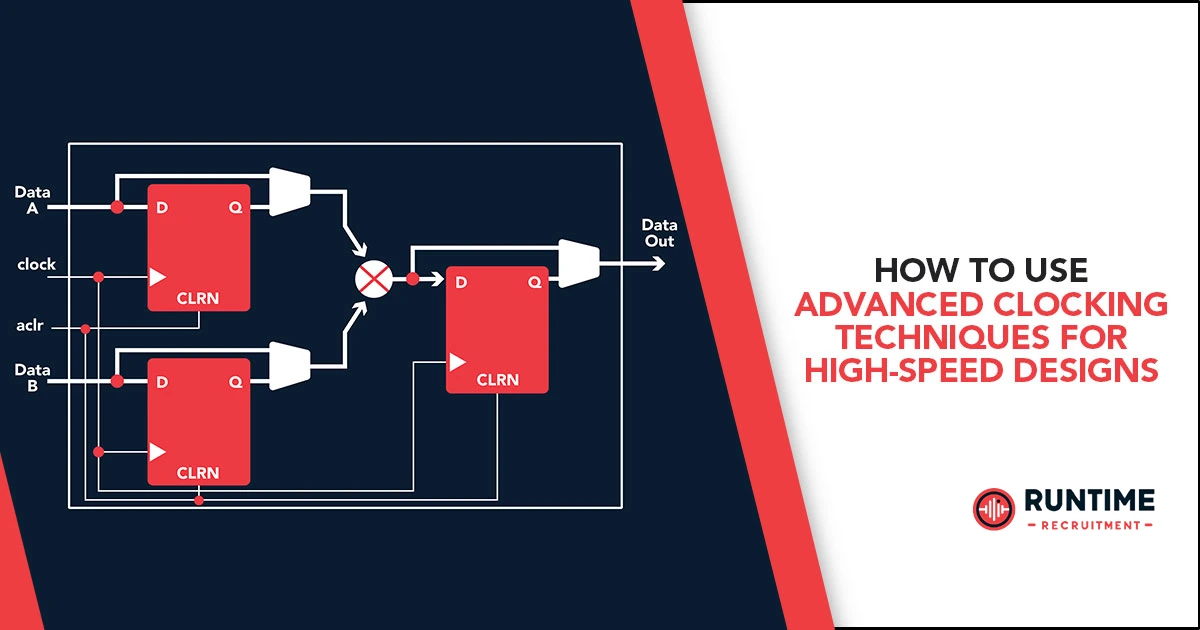
How To Use Advanced Clocking Techniques for High-Speed Designs
General31 July 2024

How To Use Advanced Clocking Techniques for High-Speed Designs

The relentless pursuit of higher performance in FPGA designs has placed an increasing emphasis on clock management. In this digital age, where speed is paramount, mastering clocking techniques is no longer a luxury but a necessity. This article delves into advanced clocking strategies, providing a comprehensive understanding of how to optimize clock signals for peak [...]

Read More >>
How To Perform Static Timing Analysis (STA) for Correct FPGA Operation
General31 July 2024

How To Perform Static Timing Analysis (STA) for Correct FPGA Operation

Static Timing Analysis (STA) is a cornerstone of FPGA design, ensuring that your digital circuit operates reliably within specified timing constraints. This article delves into the intricacies of STA, providing a comprehensive guide for experienced field engineers. We will explore the fundamental concepts, practical applications, and advanced techniques to optimize your FPGA designs for performance [...]

Read More >>
How To Implement Hardware Acceleration for Cryptographic Algorithms
General30 July 2024

How To Implement Hardware Acceleration for Cryptographic Algorithms

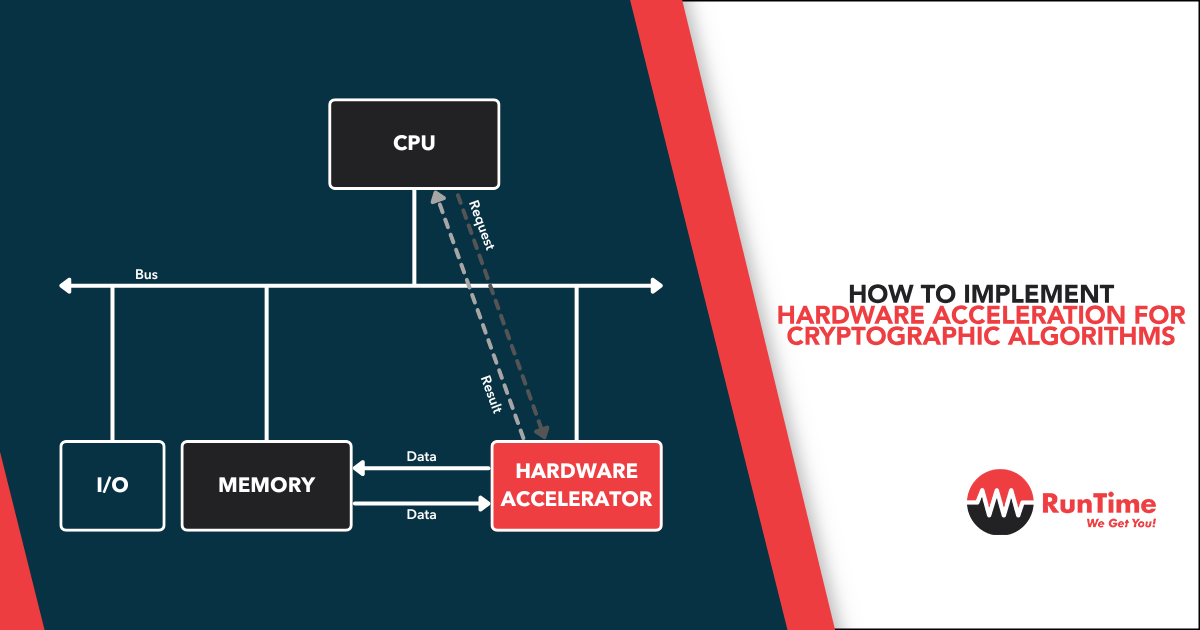
Traditional software-based cryptography can become a bottleneck, especially with the growing volume of data and ever-increasing encryption complexities. This is where Field Programmable Gate Arrays (FPGAs) enter the scene, offering a compelling solution for hardware-accelerated cryptography. This article delves into the practicalities of implementing hardware acceleration for cryptographic algorithms using FPGA resources. We'll explore the [...]

Read More >>
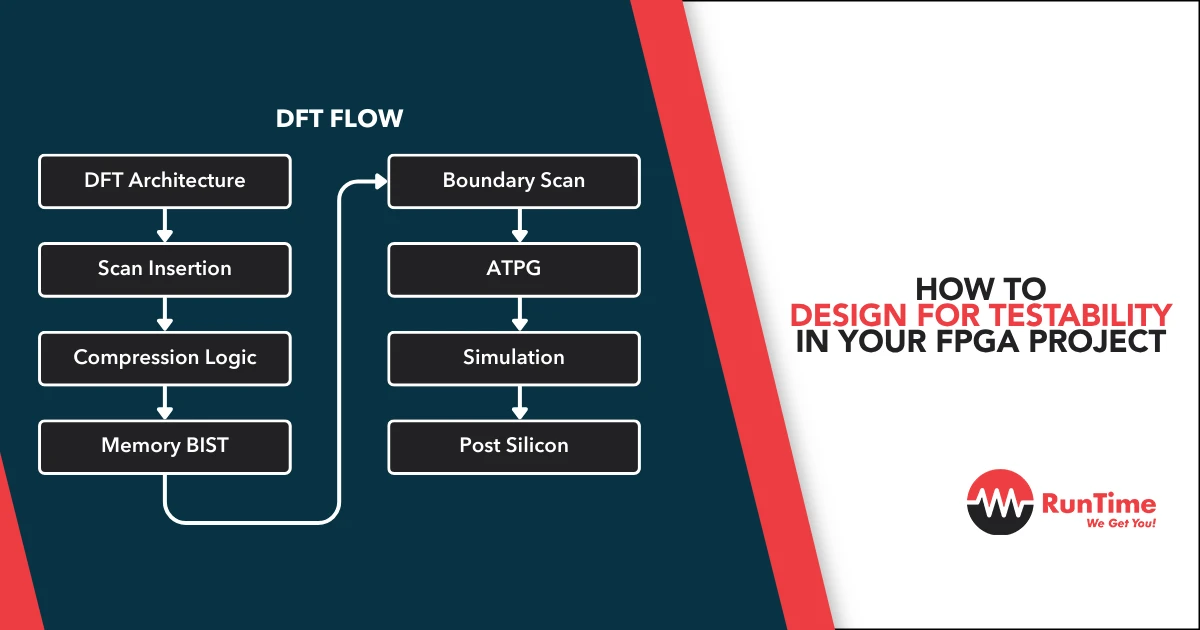
How To Design for Testability (DFT) in Your FPGA Project
General24 July 2024

How To Design for Testability (DFT) in Your FPGA Project

In pursuit of flawless FPGA implementations, Design for Testability (DFT) emerges as a cornerstone strategy. By integrating test features from the outset, we empower ourselves to streamline debugging, expedite fault detection, and ultimately, bolster confidence in the final product. This article covers the technical depths of DFT, exploring innovative techniques and offering an analytical perspective [...]

Read More >>
Integrating FPGA with an Embedded Processor for a Heterogeneous System
General24 July 2024

Integrating FPGA with an Embedded Processor for a Heterogeneous System

In the pursuit of performance and efficiency, embedded systems are increasingly embracing a heterogeneous architecture – a powerful combination of embedded processors and Field-Programmable Gate Arrays (FPGAs). This article delves into the technical aspects of integrating these seemingly disparate components, exploring the benefits of task partitioning and the challenges that need to be overcome. The [...]

Read More >>
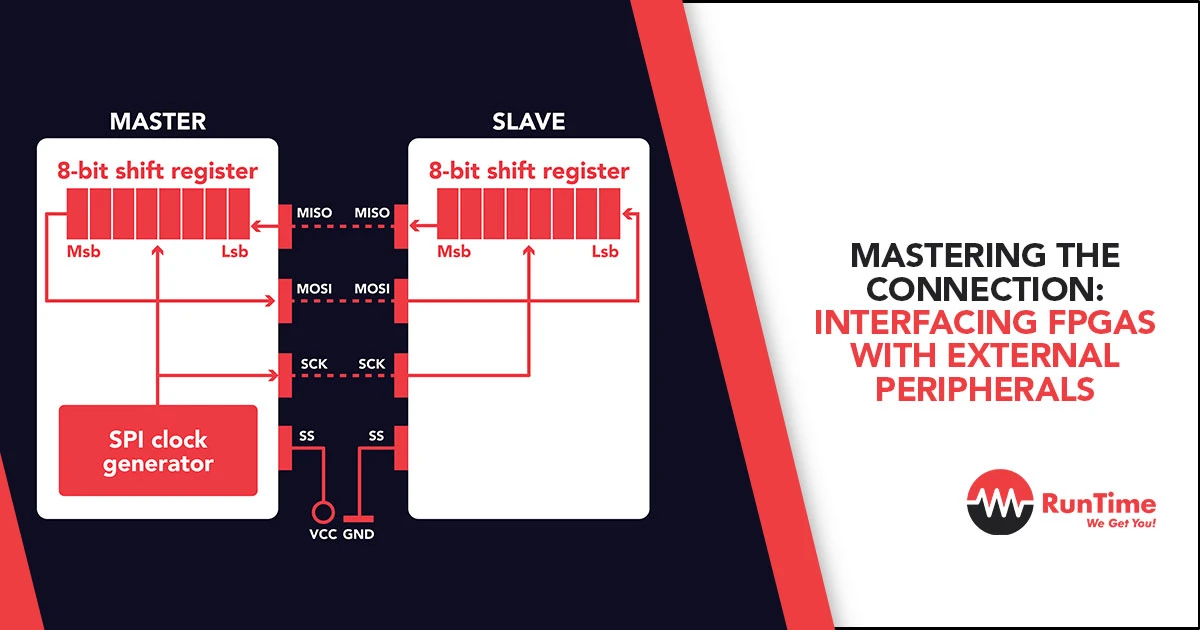
Interfacing FPGAs with External Peripherals (SPI, I2C)
General24 July 2024

Interfacing FPGAs with External Peripherals (SPI, I2C)

FPGAs (Field-Programmable Gate Arrays) are highly regarded for their unparalleled flexibility in real-time processing. However, their full potential is realized when they are connected to external peripherals that enhance their capabilities. This article explores the complexities of connecting FPGAs to two widely used communication protocols – SPI (Serial Peripheral Interface) and I2C (Inter-Integrated Circuit) – [...]

Read More >>
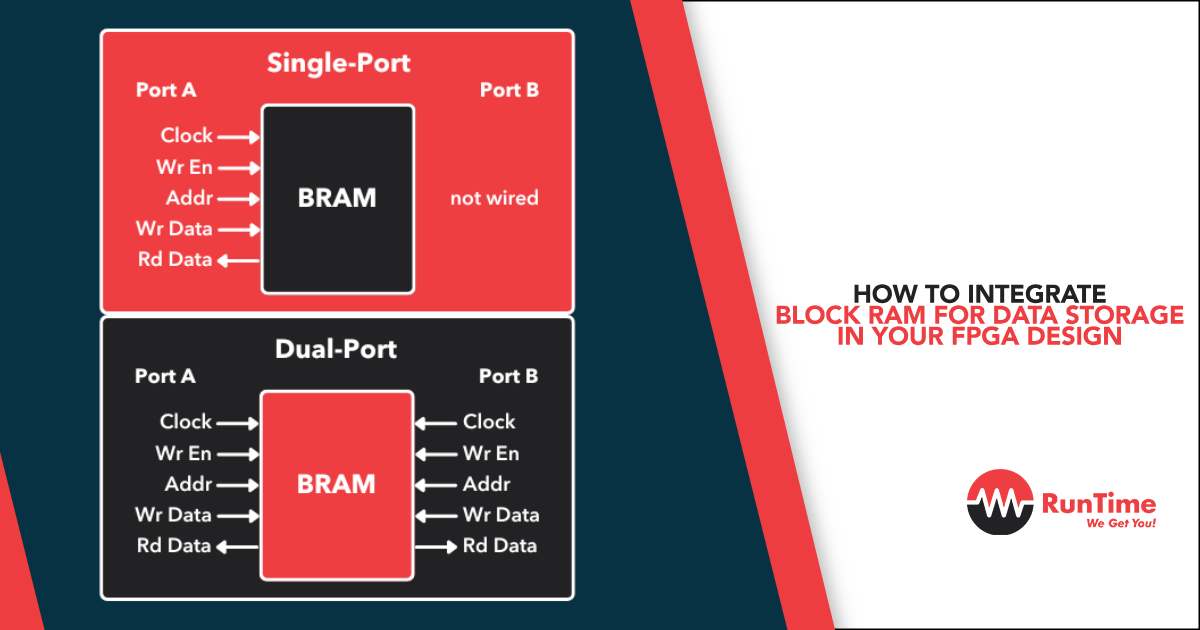
How to Integrate Block RAM (BRAM) for Data Storage in Your FPGA Design: Explore Using On-Chip Memory for Efficient Data Handling
General18 July 2024

How to Integrate Block RAM (BRAM) for Data Storage in Your FPGA Design: Explore Using On-Chip Memory for Efficient Data Handling

Block RAM (BRAM) is a cornerstone of FPGA design, offering high-speed, on-chip memory solutions crucial for efficient data handling. This article delves into the practical aspects of integrating BRAM into your FPGA design, providing a technical deep dive for those well-versed in the intricacies of hardware design. We'll explore the nuances of BRAM architecture, optimization [...]

Read More >>
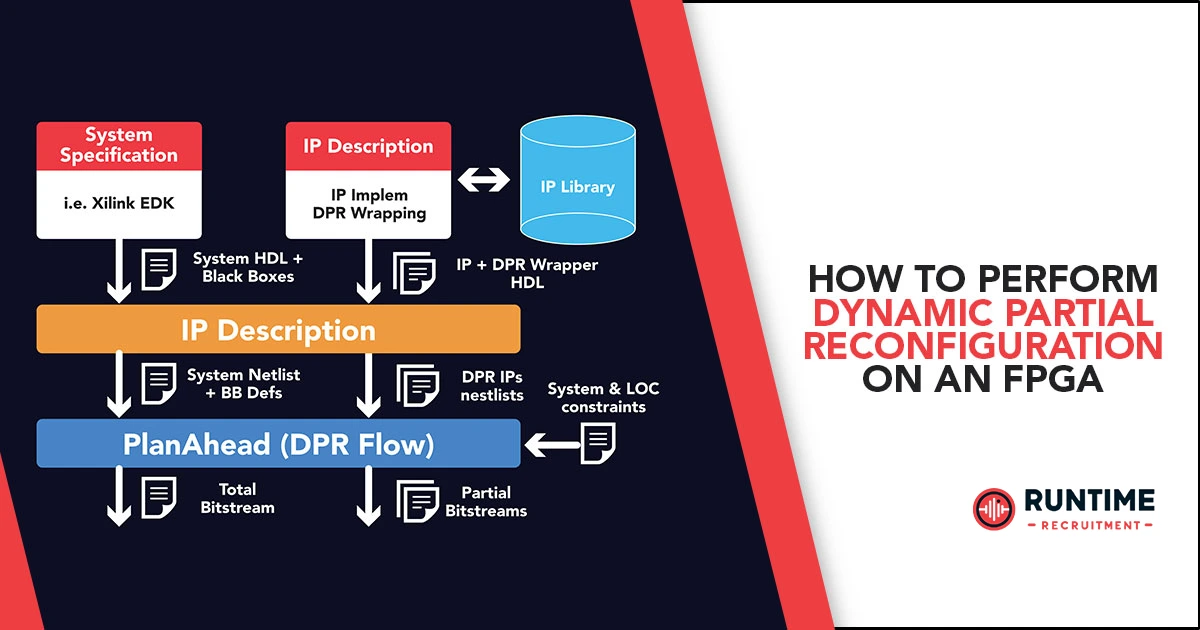
How To Perform Dynamic Partial Reconfiguration (DPR) on an FPGA: A Deep Dive
General17 July 2024

How To Perform Dynamic Partial Reconfiguration (DPR) on an FPGA: A Deep Dive

Dynamic Partial Reconfiguration (DPR) is an advanced FPGA technique that allows for the modification of specific FPGA blocks while the device is operational. This capability offers significant advantages in terms of flexibility, resource utilization, and adaptability, making it a compelling option for a wide range of applications. However, implementing DPR effectively requires a deep understanding [...]

Read More >>
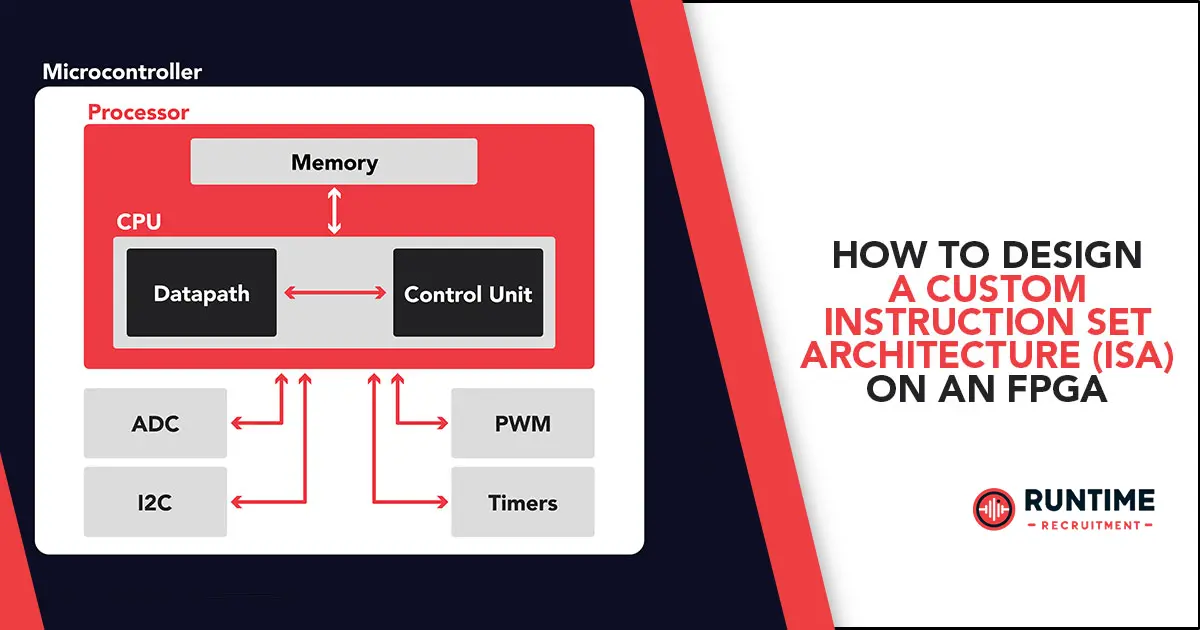
How To Design a Custom Instruction Set Architecture (ISA) on an FPGA: Explore Creating a Unique Processing Engine Tailored for Specific Needs
General15 July 2024

How To Design a Custom Instruction Set Architecture (ISA) on an FPGA: Explore Creating a Unique Processing Engine Tailored for Specific Needs

Instruction Set Architectures (ISAs) are the fundamental blueprints defining how software interacts with hardware. Traditionally, these have been rigid, monolithic structures. However, the advent of Field Programmable Gate Arrays (FPGAs) has ushered in an era of unparalleled customization. Now, engineers can craft ISAs tailored to specific computational challenges, unlocking unprecedented performance and efficiency gains. This [...]

Read More >>
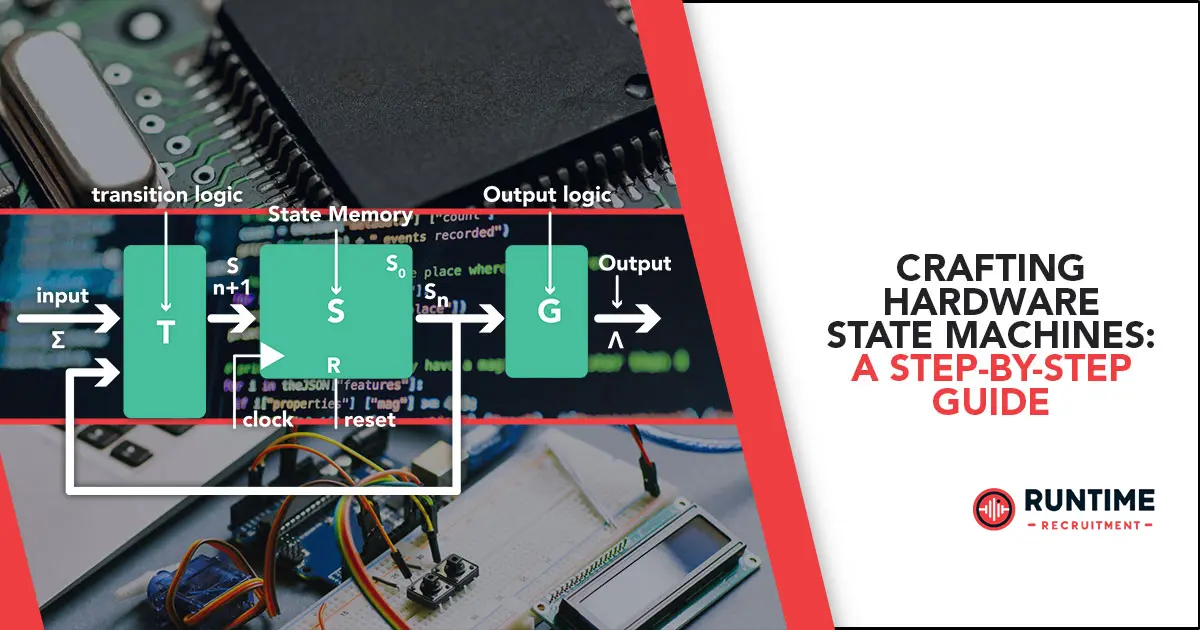
Crafting Hardware State Machines: A Step-by-Step Guide to Designing Basic FSMs on FPGAs
General12 July 2024

Crafting Hardware State Machines: A Step-by-Step Guide to Designing Basic FSMs on FPGAs

Field Programmable Gate Arrays (FPGAs) offer unparalleled flexibility in implementing digital logic. Their inherent configurability makes them ideal for building complex systems, particularly those requiring real-time processing and hardware customization. A fundamental building block for these systems is the Finite State Machine (FSM). An FSM is a mathematical model that describes a system's behavior through [...]

Read More >>
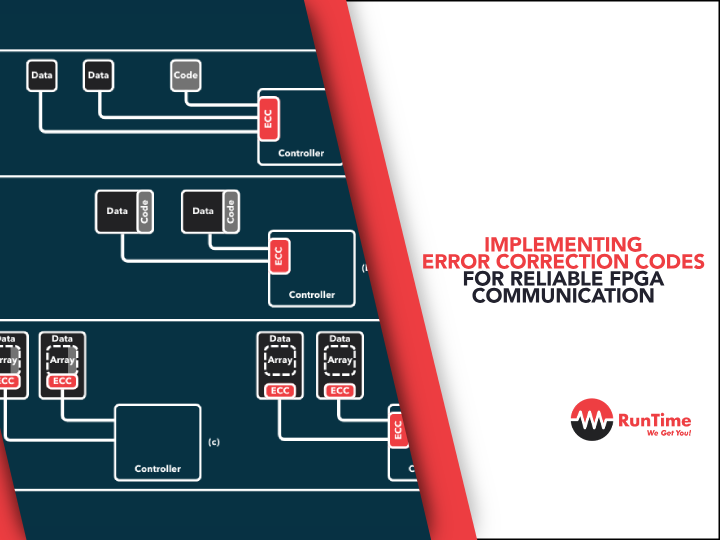
Implementing Error Correction Codes (ECC) for Reliable FPGA Communication: A Deep Dive
General12 July 2024

Implementing Error Correction Codes (ECC) for Reliable FPGA Communication: A Deep Dive

As field engineers, we understand the critical role data integrity plays in FPGA-based communication systems. Even a single-bit error during transmission can wreak havoc on downstream processes. This article delves into the practical implementation of Error Correction Codes (ECC) for robust data transmission within FPGA communication channels. We'll explore various ECC techniques, analyze their trade-offs, [...]

Read More >>
How to Reduce Power Consumption in IoT Devices for Extended Battery Life
General11 July 2024

How to Reduce Power Consumption in IoT Devices for Extended Battery Life

One of the most crucial challenges lies in extending the battery life of resource-constrained devices. These devices, often deployed in remote or hard-to-reach locations, rely on efficient power management to ensure reliable and long-term operation. This article delves into the technical aspects of minimizing power consumption in IoT devices, exploring innovative solutions and offering an [...]

Read More >>
How to Leverage Cloud Services for Scalable Data Storage
General11 July 2024

How to Leverage Cloud Services for Scalable Data Storage

Traditional storage solutions often struggle under the ever-increasing weight of information. For tech professionals, the ability to seamlessly scale data storage capacity while maintaining performance and security is paramount. Cloud services offer a compelling answer to this challenge, but navigating the options and maximizing their potential requires a strategic approach. Cloud Storage Options: A Spectrum [...]

Read More >>
How to Elevate Code Quality with Static Code Analysis
General9 July 2024

How to Elevate Code Quality with Static Code Analysis

In embedded systems, where even minor code imperfections can translate to device malfunctions, fatalities, and financial losses, achieving the highest possible code quality is paramount. Traditional debugging techniques, while essential, often identify issues late in the development cycle, leading to costly rework and potential safety risks. Static code analysis (SCA) emerges as a powerful tool [...]

Read More >>
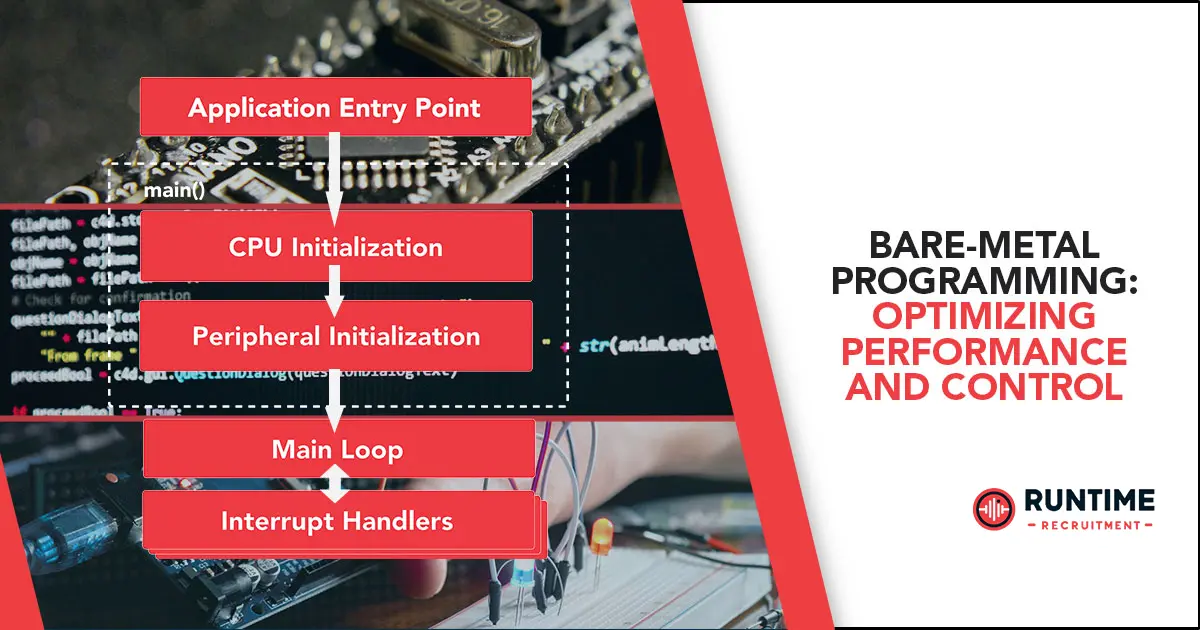
Bare-Metal Programming: Optimizing Performance and Control
General9 July 2024

Bare-Metal Programming: Optimizing Performance and Control

Bare-metal programming offers a unique path for developers seeking to squeeze maximum performance and efficiency from their hardware. By eliminating the operating system (OS) abstraction layer, you gain direct control over the underlying hardware, enabling fine-grained optimization and resource management. This approach is particularly attractive for embedded systems with tight constraints on processing power and [...]

Read More >>
How to Integrate FMEA into Embedded Development Workflow
General9 July 2024

How to Integrate FMEA into Embedded Development Workflow

Failure Mode and Effects Analysis (FMEA) is a methodical and proactive approach used to identify potential failures within a system, analyze their impact on overall functionality, and implement preventive measures. In the embedded systems industry, where reliability and safety are crucial, FMEA plays a critical role in ensuring the strength of developed products. By integrating [...]

Read More >>
C vs Assembly: Performance and Readability in Embedded Systems
General24 June 2024

C vs Assembly: Performance and Readability in Embedded Systems

As embedded system engineers pursue optimal performance and code clarity, the comparison of C vs Assembly is a crucial consideration. These two languages, C and Assembly, play a significant role in this domain. While C offers a higher level of abstraction and readability, Assembly provides meticulous control over hardware, often resulting in superior performance. This [...]

Read More >>
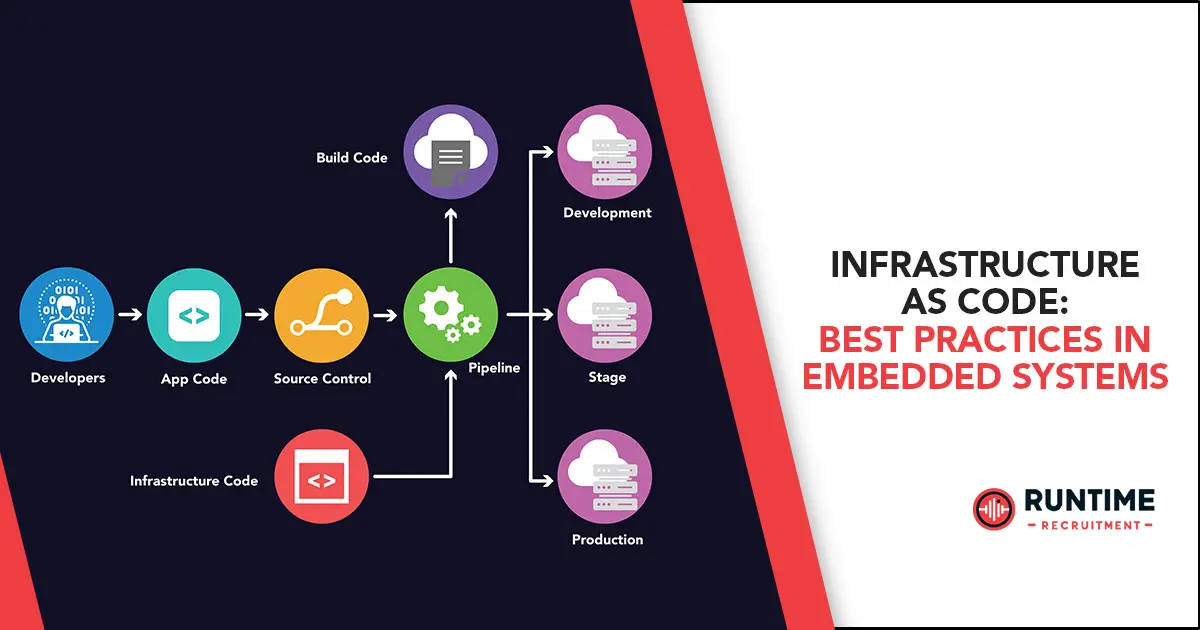
Infrastructure as Code: Best Practices in Embedded Systems
General24 June 2024

Infrastructure as Code: Best Practices in Embedded Systems

For decades, embedded systems engineers have relied on manual configuration to manage infrastructure, leading to time-consuming processes and inconsistencies. This article explores Infrastructure as Code (IaC), a revolutionary approach that treats infrastructure provisioning and management as code. Let’s discuss the significant benefits of IaC for embedded systems development, outlining best practices for implementation and showcasing [...]

Read More >>
How to Master Embedded C Programming in 2024
General20 June 2024

How to Master Embedded C Programming in 2024

Embedded C programming is crucial for developing firmware in various systems such as IoT devices and industrial controllers. As we progress through 2024, it's important to refine our approach to mastering this skill. This guide explores core concepts, modern practices, and advanced topics relevant to embedded C programming this year. Embedded C programming involves utilizing [...]

Read More >>
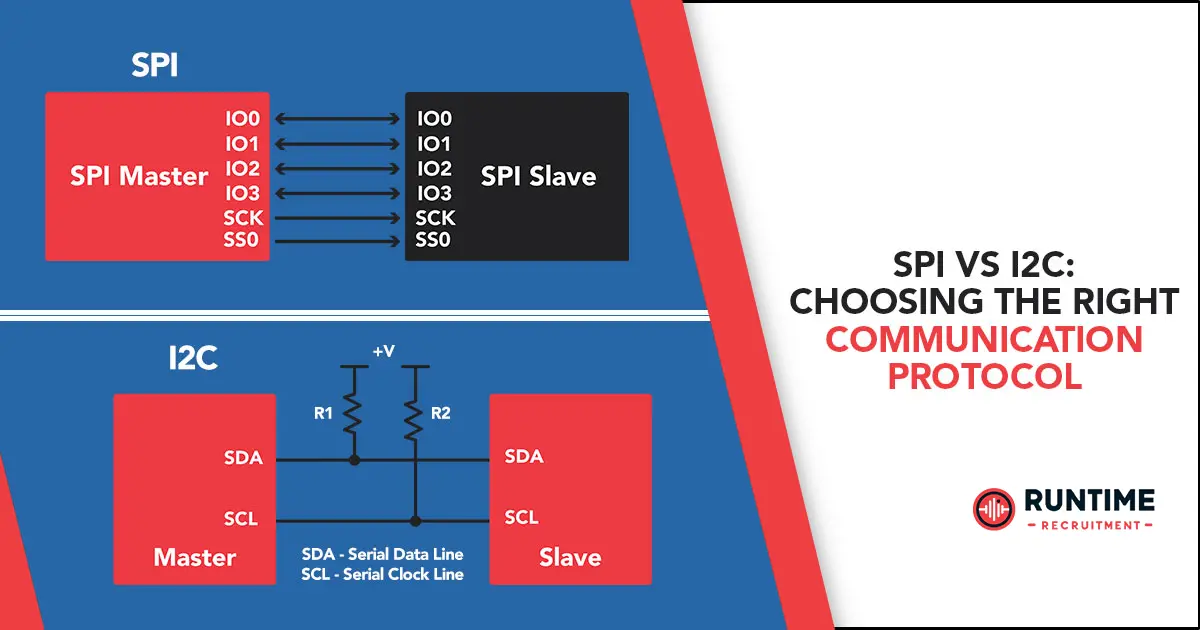
SPI vs I2C: Choosing the Right Communication Protocol
General20 June 2024

SPI vs I2C: Choosing the Right Communication Protocol

When dealing with embedded systems, selecting between SPI vs I2C for communication between microcontrollers and peripheral devices can greatly affect performance, design complexity, and cost. This article provides a comprehensive analysis of SPI (Serial Peripheral Interface) and I2C (Inter-Integrated Circuit), the two primary serial communication protocols enabling efficient data exchange within these compact systems. Let's [...]

Read More >>
7 Best Practices for Writing Interrupt Service Routines
General13 June 2024

7 Best Practices for Writing Interrupt Service Routines

Embedded systems rely on efficient handling of external events to react to changing conditions and perform real-time tasks. Interrupt Service Routines (ISRs) are crucial for achieving this. An ISR is a function that the processor executes upon receiving an interrupt signal, temporarily pausing the main program's execution. Well-written ISRs are important for maintaining system responsiveness, [...]

Read More >>
How to Improve the Quality of PCB Inspection
General11 June 2024

How to Improve the Quality of PCB Inspection

A well-functioning Printed Circuit Board (PCB) is the foundation of a reliable device. A single defect on a PCB can lead to malfunctions, safety hazards, and costly product recalls. Therefore, ensuring high-quality PCBs through rigorous inspection is paramount. This article explores traditional and advanced inspection techniques, along with strategies to optimize the process and achieve [...]

Read More >>
Strategies to Reduce Engineering Recruitment Costs
General7 June 2024

Strategies to Reduce Engineering Recruitment Costs

Reducing engineering recruitment costs is a top priority for many companies. In today's competitive market, many companies face the challenge of attracting qualified engineers without breaking the bank. In this article, we will explore five proven strategies that can help organizations cut down on engineering recruitment expenses without compromising the quality of hires. Cost Factors [...]

Read More >>
7 Core Skills Required for Embedded System Development
General6 June 2024

7 Core Skills Required for Embedded System Development

The increasing interconnectedness of our world is facilitated by embedded systems, which power everything from smartphones to complex industrial machinery. Embedded systems, small computers within larger devices, require specialized skills from engineers to ensure their successful development and operation. If you want to pursue a career in embedded systems or if you are an experienced [...]

Read More >>