Engineering Insights

Articles

433 articles on embedded systems, firmware, FPGA, and engineering recruitment.

Homomorphic Encryption for Embedded: Can We Process Data We Can't See?
General26 June 2025

Homomorphic Encryption for Embedded: Can We Process Data We Can't See?

In an era where data privacy and security are paramount, embedded systems face increasing pressure to handle sensitive information securely. Traditional encryption methods protect data at rest and in transit but require decryption before processing—exposing it to potential vulnerabilities. Homomorphic Encryption (HE) offers a groundbreaking alternative: the ability to compute on encrypted data without ever [...]

Read More >>
The Death of Bluetooth? What Ultra-Wideband (UWB) Means for Embedded Engineers
General25 June 2025

The Death of Bluetooth? What Ultra-Wideband (UWB) Means for Embedded Engineers

For decades, Bluetooth has been the go-to wireless technology for short-range communication in embedded systems. From wireless headphones to IoT sensors, Bluetooth’s low power consumption, ease of use, and widespread adoption have made it a staple in embedded design. However, a new contender is emerging that could challenge Bluetooth’s dominance: Ultra-Wideband (UWB). With its high [...]

Read More >>
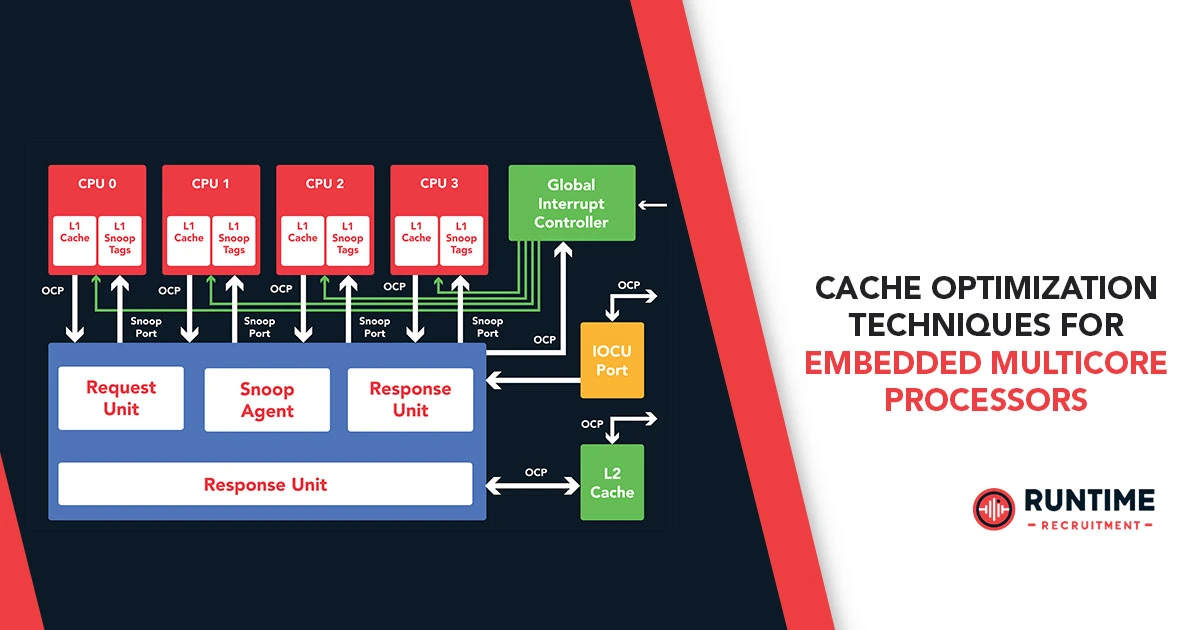
Cache Optimization Techniques for Embedded Multicore Processors
General24 June 2025

Cache Optimization Techniques for Embedded Multicore Processors

Embedded systems are increasingly adopting multicore processors to meet the growing demand for high-performance, energy-efficient computing. However, as the number of cores increases, so does the complexity of managing shared resources, particularly cache memory. Efficient cache utilization is critical in embedded systems where real-time constraints, power consumption, and deterministic behavior are paramount. This article explores [...]

Read More >>

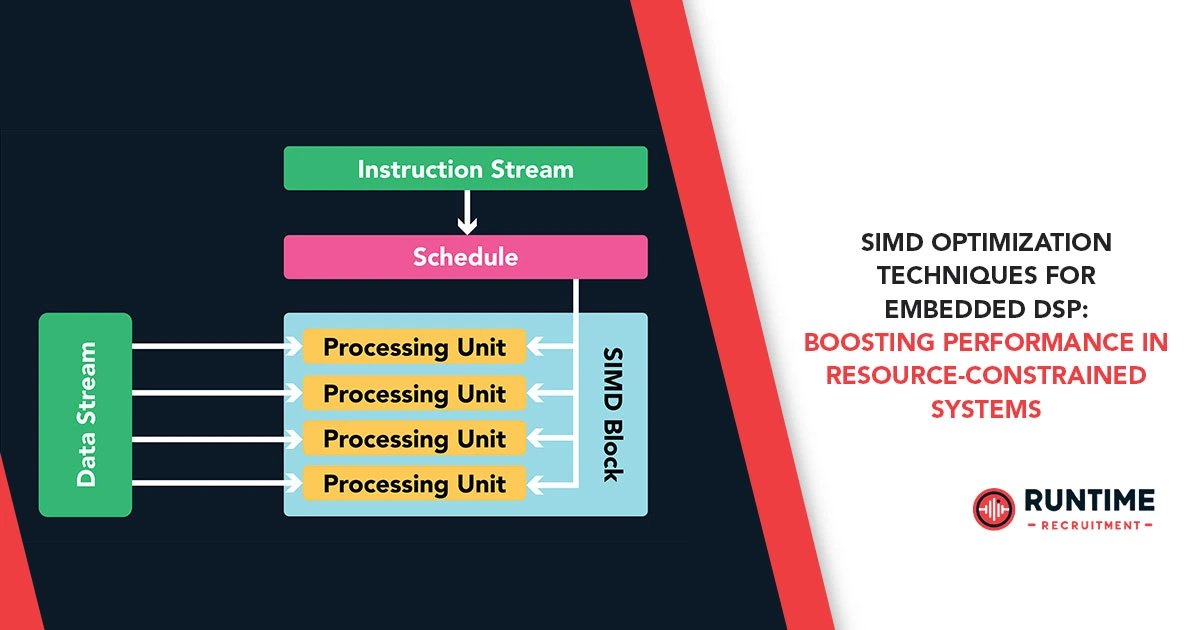
SIMD Optimization Techniques for Embedded DSP: Boosting Performance in Resource-Constrained Systems
General23 June 2025

SIMD Optimization Techniques for Embedded DSP: Boosting Performance in Resource-Constrained Systems

Embedded Digital Signal Processing (DSP) applications demand high performance while operating under strict power, memory, and real-time constraints. One of the most effective ways to accelerate DSP algorithms is by leveraging Single Instruction, Multiple Data (SIMD) architectures. SIMD allows a single instruction to process multiple data points simultaneously, dramatically improving throughput for vectorized operations common [...]

Read More >>
Wi-Fi 6E for Industrial IoT: Faster Speeds, New Challenges
General20 June 2025

Wi-Fi 6E for Industrial IoT: Faster Speeds, New Challenges

The Industrial Internet of Things (IIoT) is undergoing a transformation with the introduction of Wi-Fi 6E, the latest evolution in wireless connectivity. For embedded engineers designing IIoT systems, Wi-Fi 6E offers higher throughput, lower latency, and improved reliability—critical factors for industrial automation, robotics, and real-time monitoring. However, adopting Wi-Fi 6E in industrial environments also introduces [...]

Read More >>
Will AI Replace Embedded Engineers? The Truth About Automation in Hardware
General19 June 2025

Will AI Replace Embedded Engineers? The Truth About Automation in Hardware

Introduction Artificial Intelligence (AI) is transforming industries at an unprecedented pace. From software development to healthcare, AI-powered automation is reshaping job roles, workflows, and even entire professions. Embedded systems engineering, a field deeply rooted in hardware-software integration, is no exception. As AI tools become more sophisticated, a pressing question arises: Will AI replace embedded engineers? [...]

Read More >>
The Future of RISC-V in Embedded Systems: Opportunities and Challenges
General18 June 2025

The Future of RISC-V in Embedded Systems: Opportunities and Challenges

The embedded systems industry is undergoing a significant transformation, driven by the increasing demand for customizable, power-efficient, and cost-effective processor architectures. Among the emerging trends, RISC-V has gained substantial traction as an open-source instruction set architecture (ISA) that promises flexibility, scalability, and freedom from licensing restrictions. For embedded engineers, RISC-V presents both exciting opportunities and [...]

Read More >>
Modern C++ in Embedded: How Far Can You Push It?
General17 June 2025

Modern C++ in Embedded: How Far Can You Push It?

Embedded systems have long been dominated by C, with occasional forays into C++ when object-oriented programming (OOP) was deemed necessary. However, the perception that C++ is too bloated, slow, or unpredictable for resource-constrained environments persists. But Modern C++ (C++11, C++14, C++17, and beyond) has introduced features that can make embedded development more expressive, safer, and [...]

Read More >>
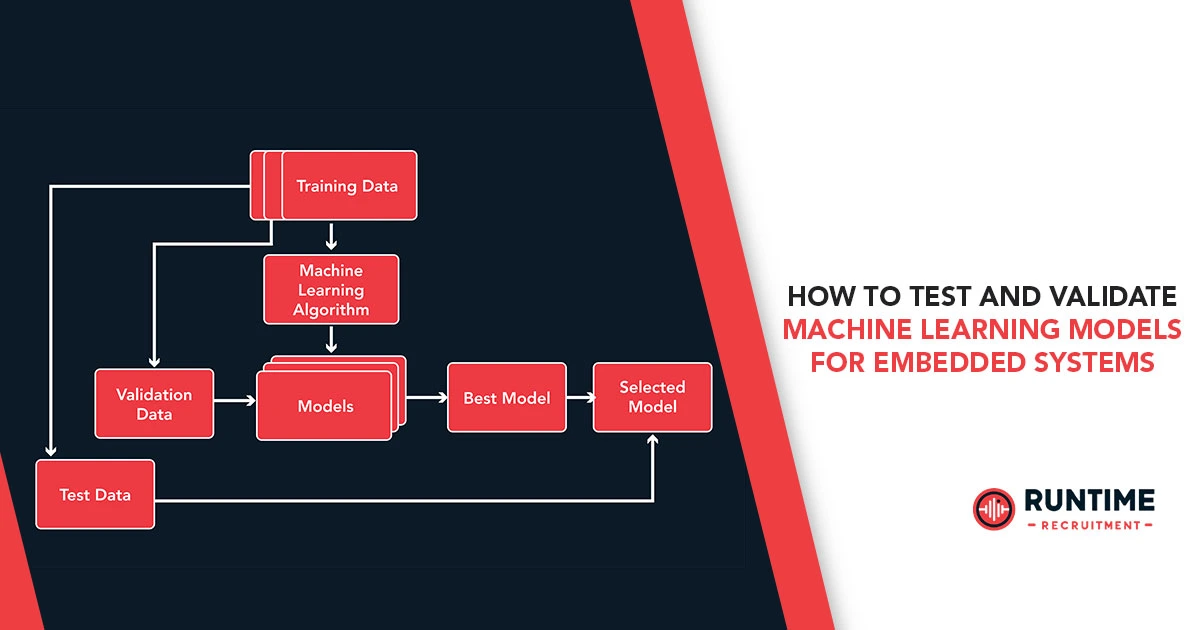
How to Test and Validate Machine Learning Models for Embedded Systems
General16 June 2025

How to Test and Validate Machine Learning Models for Embedded Systems

Introduction Machine learning (ML) is increasingly being deployed in embedded systems, from microcontrollers in IoT devices to high-performance edge computing platforms. However, testing and validating ML models for embedded environments presents unique challenges due to resource constraints, real-time requirements, and hardware dependencies. Unlike traditional software, ML models introduce probabilistic behavior, making deterministic testing difficult. Additionally, [...]

Read More >>
Using JTAG Beyond Flashing: Hardware-Accelerated Debugging Tricks for Embedded Engineers
General13 June 2025

Using JTAG Beyond Flashing: Hardware-Accelerated Debugging Tricks for Embedded Engineers

Introduction JTAG (Joint Test Action Group) is a ubiquitous interface in the embedded world, primarily known for programming flash memory and performing boundary scan tests. However, its capabilities extend far beyond these basic functions. For embedded engineers, JTAG can be a powerful tool for hardware-accelerated debugging, real-time tracing, and performance optimization. In this article, we’ll [...]

Read More >>
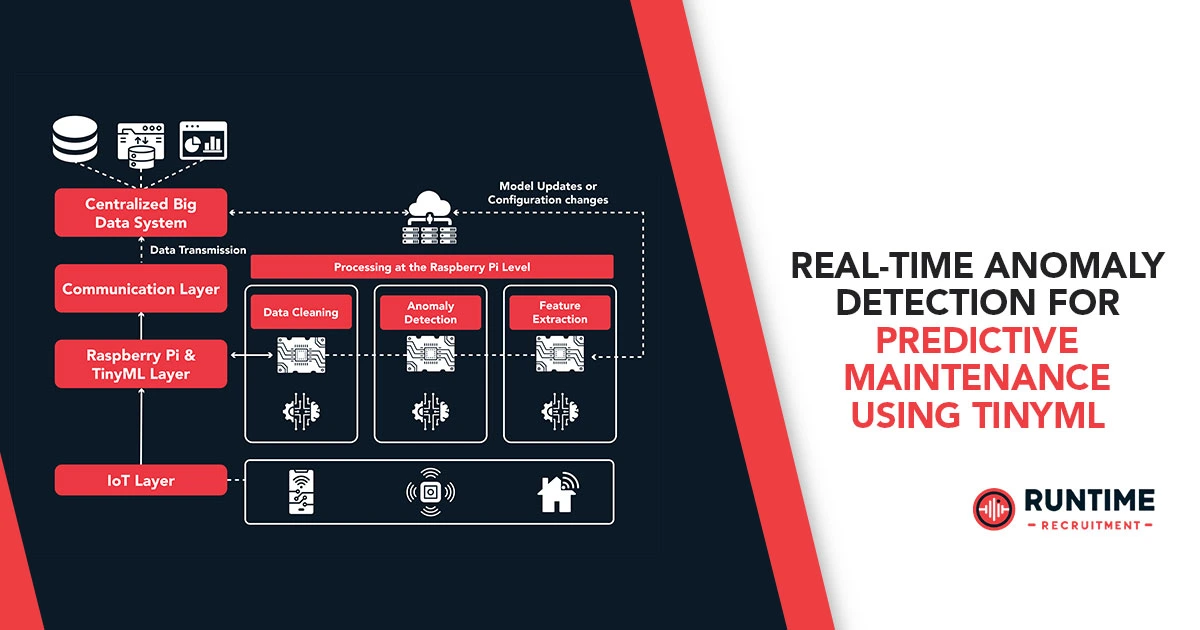
Real-Time Anomaly Detection for Predictive Maintenance Using TinyML
General12 June 2025

Real-Time Anomaly Detection for Predictive Maintenance Using TinyML

Introduction Embedded systems are at the heart of modern industrial automation, IoT devices, and smart infrastructure. One of the most critical challenges in these systems is ensuring reliability through predictive maintenance (PdM). Traditional maintenance approaches rely on scheduled inspections or reactive repairs, which can be inefficient and costly. Enter TinyML—a fusion of embedded systems and [...]

Read More >>
How to Design Reliable Reset Circuits for Embedded Microcontrollers
General26 March 2025

How to Design Reliable Reset Circuits for Embedded Microcontrollers

In the world of embedded systems, the reset circuit is a critical component that ensures the microcontroller starts up correctly and recovers gracefully from unexpected events like power fluctuations or software crashes. A poorly designed reset circuit can lead to erratic behavior, system lockups, or even permanent damage to the microcontroller. For embedded engineers, designing [...]

Read More >>
The Role of Middleware in Firmware Design: How to Simplify Complex Systems
General25 March 2025

The Role of Middleware in Firmware Design: How to Simplify Complex Systems

In the world of embedded systems, firmware design is becoming increasingly complex. With the proliferation of connected devices, the Internet of Things (IoT), and the demand for feature-rich applications, embedded engineers are tasked with developing firmware that is not only efficient and reliable but also scalable and maintainable. One of the key tools that can [...]

Read More >>
Using FPGAs for High-Performance Computing: Challenges and Opportunities
General20 March 2025

Using FPGAs for High-Performance Computing: Challenges and Opportunities

High-Performance Computing (HPC) has become a cornerstone of modern technology, enabling breakthroughs in fields such as artificial intelligence, scientific research, and data analytics. Traditionally dominated by CPUs and GPUs, the HPC landscape is now witnessing a paradigm shift with the increasing adoption of Field-Programmable Gate Arrays (FPGAs). FPGAs offer unique advantages, including custom hardware acceleration, [...]

Read More >>
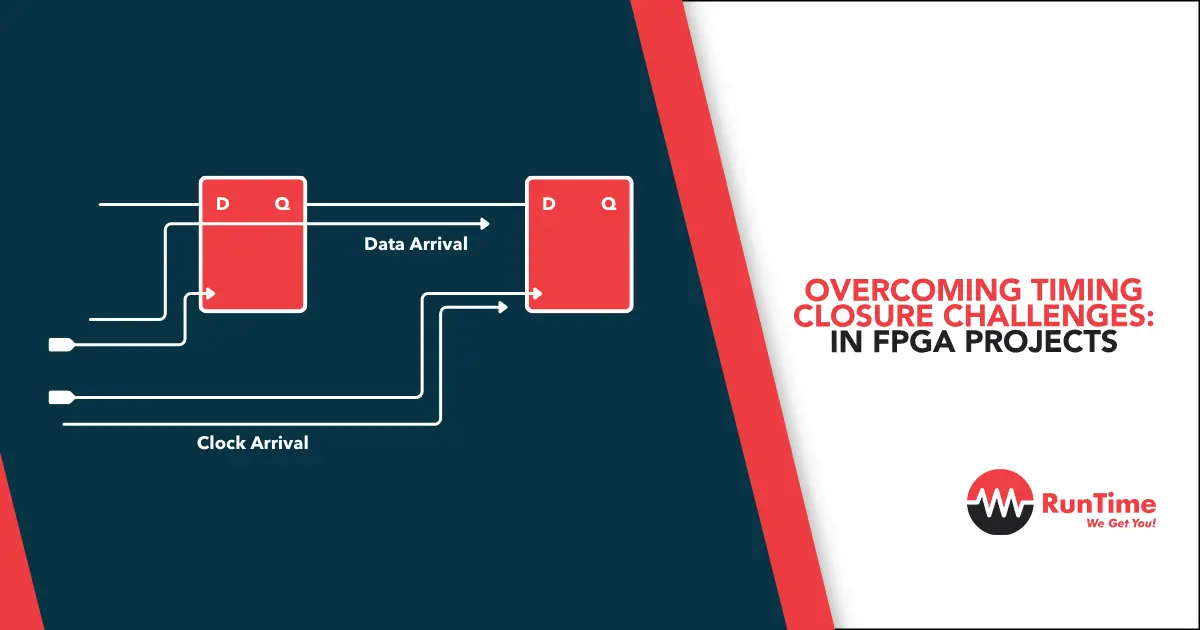
Overcoming Timing Closure Challenges in FPGA Projects
General19 March 2025

Overcoming Timing Closure Challenges in FPGA Projects

Field-Programmable Gate Arrays (FPGAs) are powerful tools for embedded engineers, offering the flexibility to implement custom hardware designs and accelerate complex algorithms. However, one of the most significant challenges in FPGA design is achieving timing closure—ensuring that all signals in the design meet their timing requirements. Timing closure is critical for the correct operation of [...]

Read More >>
Designing Electronics for Harsh Environments: Materials and Techniques
General18 March 2025

Designing Electronics for Harsh Environments: Materials and Techniques

Embedded systems are increasingly being deployed in harsh environments, from the scorching heat of industrial furnaces to the freezing cold of Arctic research stations. These environments pose unique challenges for electronic devices, including extreme temperatures, humidity, vibration, and exposure to corrosive substances. Designing electronics that can withstand such conditions requires careful selection of materials, robust [...]

Read More >>
How to Achieve Deterministic Behavior in Real-Time Embedded Systems
General14 March 2025

How to Achieve Deterministic Behavior in Real-Time Embedded Systems

Ensuring deterministic behavior in real-time embedded systems is paramount for their reliability and performance. The ability to predict precisely how a system will respond to various inputs at any given time is crucial in critical applications such as medical devices, aerospace systems, and automotive safety mechanisms. Achieving deterministic behavior involves meticulous design, stringent testing, and [...]

Read More >>
Understanding Recruiter Expectations: What Embedded Engineers Need to Know
General13 March 2025

Understanding Recruiter Expectations: What Embedded Engineers Need to Know

In the competitive field of embedded engineering, meeting recruiter expectations is crucial for landing desirable positions. Embedded engineers must possess not only technical expertise but also a keen understanding of what recruiters seek. This introduction delves into the essential aspects that embedded engineers need to know to stand out in the eyes of recruiters. From [...]

Read More >>
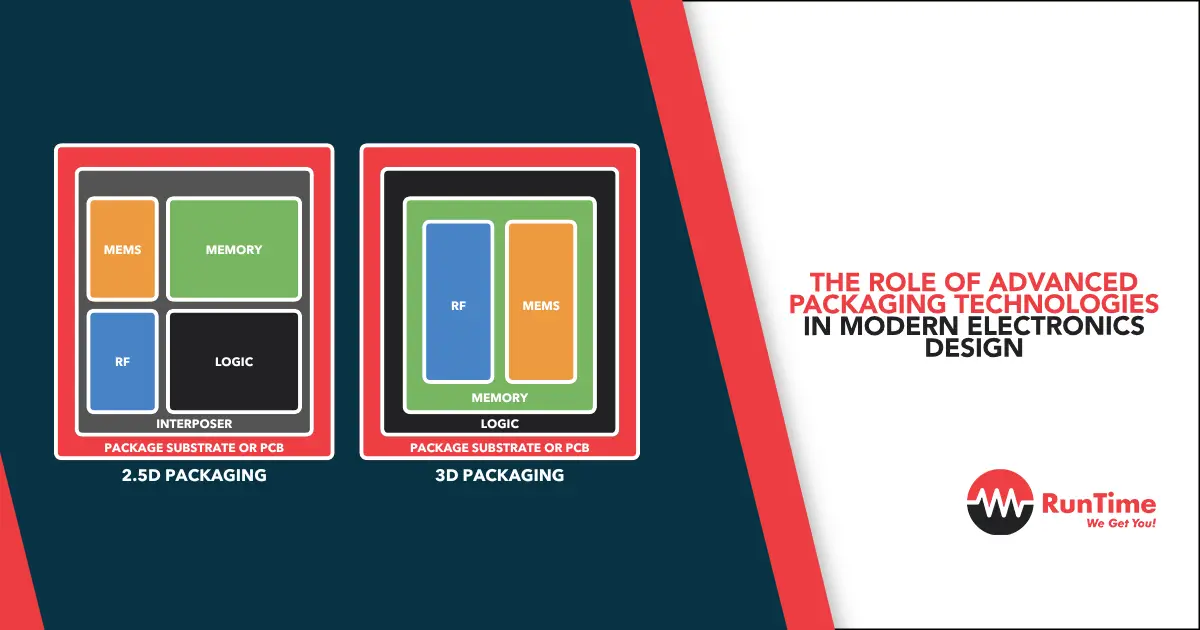
The Role of Advanced Packaging Technologies in Modern Electronics Design
General11 March 2025

The Role of Advanced Packaging Technologies in Modern Electronics Design

In the rapidly evolving world of electronics, the demand for smaller, faster, and more efficient devices is driving innovation at every level of design. While much attention is given to advancements in semiconductor technology, the role of advanced packaging technologies is equally critical. Packaging is no longer just about protecting the chip; it has become [...]

Read More >>
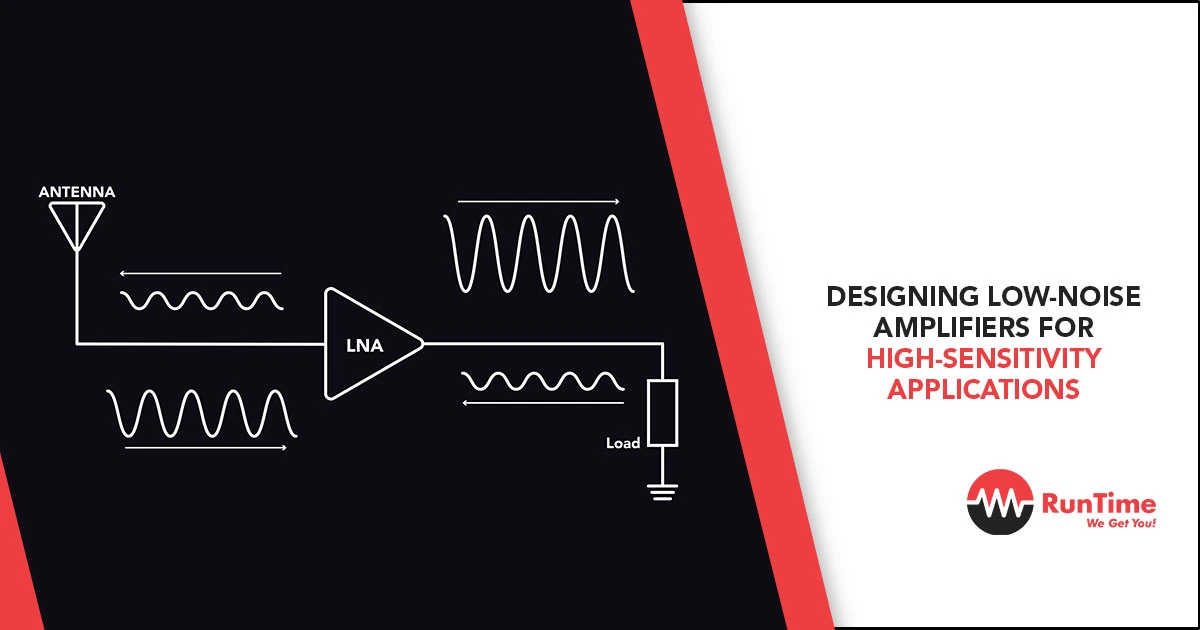
Designing Low-Noise Amplifiers for High-Sensitivity Applications
General10 March 2025

Designing Low-Noise Amplifiers for High-Sensitivity Applications

In the realm of embedded systems, particularly those involving high-sensitivity applications such as medical devices, wireless communication, and scientific instrumentation, the design of low-noise amplifiers (LNAs) is a critical task. LNAs are essential components that amplify weak signals while introducing minimal additional noise, ensuring that the signal-to-noise ratio (SNR) is preserved or enhanced. For embedded [...]

Read More >>
How to Handle Firmware Updates in the Field Without Bricking Devices
General7 March 2025

How to Handle Firmware Updates in the Field Without Bricking Devices

Firmware updates are an essential part of maintaining and improving embedded systems, especially in the era of the Internet of Things (IoT) and connected devices. However, updating firmware in the field comes with significant risks, particularly the possibility of “bricking” devices—rendering them inoperable due to a failed update. For embedded engineers, ensuring reliable and safe [...]

Read More >>
Creating a Positive Candidate Experience in the Engineering Hiring Process
General6 March 2025

Creating a Positive Candidate Experience in the Engineering Hiring Process

Introduction In the competitive field of embedded engineering, attracting and retaining top talent is crucial for the success of any organization. The hiring process is often the first interaction a candidate has with a company, and it sets the tone for their overall experience. A positive candidate experience can significantly impact an organization's ability to [...]

Read More >>
Exploring the Role of Machine Learning in Embedded Electronics Design
General4 March 2025

Exploring the Role of Machine Learning in Embedded Electronics Design

Introduction The field of embedded electronics design is undergoing a transformative shift with the integration of machine learning (ML) technologies. Embedded systems, which are specialized computing systems that perform dedicated functions within larger mechanical or electrical systems, are increasingly being equipped with ML capabilities to enhance their functionality, efficiency, and adaptability. From smart home devices [...]

Read More >>
Understanding and Implementing Differential Pair Routing in High-Speed PCBs
General3 March 2025

Understanding and Implementing Differential Pair Routing in High-Speed PCBs

Introduction In the realm of high-speed PCB design, maintaining signal integrity is paramount. As data rates continue to climb, the challenges associated with signal integrity become increasingly complex. One of the most effective techniques for ensuring robust signal integrity in high-speed designs is the use of differential pair routing. Differential pairs are used extensively in [...]

Read More >>