Engineering Insights

Articles

433 articles on embedded systems, firmware, FPGA, and engineering recruitment.

How to Assess Problem-Solving Skills in Embedded Engineering Candidates
General23 January 2025

How to Assess Problem-Solving Skills in Embedded Engineering Candidates

Embedded engineering is a field where technical expertise and problem-solving skills go hand in hand. The ability to identify, analyze, and solve complex problems is critical for engineers working on firmware development, hardware design, and system integration. When hiring embedded engineers, assessing problem-solving skills is often the most challenging—and the most important—part of the recruitment [...]

Read More >>
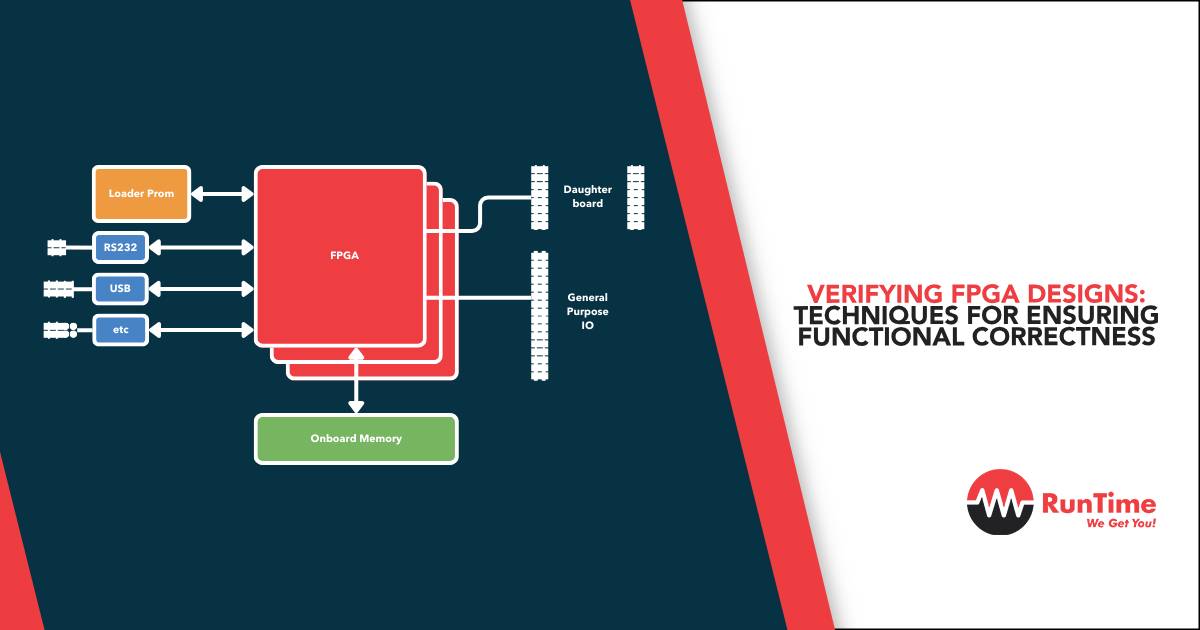
Verifying FPGA Designs: Techniques for Ensuring Functional Correctness
General22 January 2025

Verifying FPGA Designs: Techniques for Ensuring Functional Correctness

Field-Programmable Gate Arrays (FPGAs) are widely used in embedded systems due to their flexibility, performance, and scalability. Whether in telecommunications, aerospace, automotive, or AI applications, FPGAs allow engineers to implement complex designs. However, designing an FPGA is only half the battle—verification is where the design truly comes to life. Verification ensures functional correctness, detects design [...]

Read More >>
Using Debugging Interfaces: UART, JTAG, and SWD Demystified
General21 January 2025

Using Debugging Interfaces: UART, JTAG, and SWD Demystified

Debugging is a cornerstone of embedded engineering, and debugging interfaces are the tools that make it possible. Whether you’re tracking down intermittent bugs, verifying system behavior, or fine-tuning performance, UART, JTAG, and SWD are indispensable allies in your debugging arsenal. These interfaces, each with its strengths and applications, provide embedded engineers with the insights needed [...]

Read More >>
Designing with Redundancy: Improving Reliability in Critical Systems
General17 January 2025

Designing with Redundancy: Improving Reliability in Critical Systems

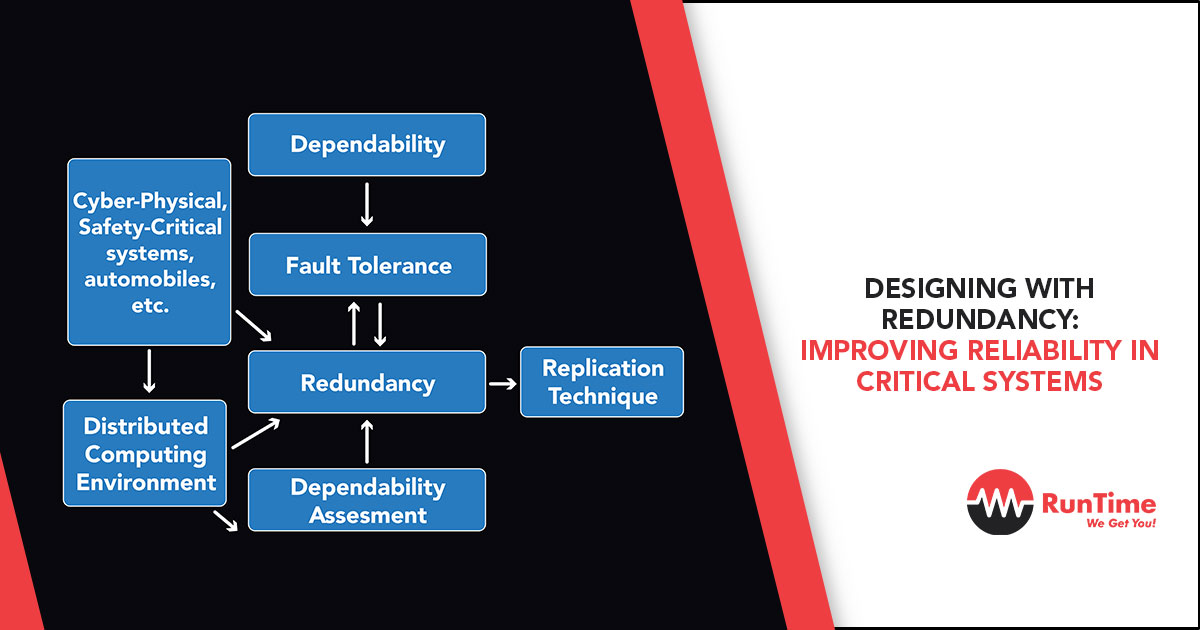
In the realm of embedded engineering, reliability is paramount, especially in critical systems where failures can lead to catastrophic consequences. From aerospace and automotive systems to medical devices and industrial automation, ensuring reliable operation is a fundamental design goal. Redundancy is one of the most effective strategies for achieving this reliability, providing a safeguard against [...]

Read More >>

Best Practices for Porting Firmware Across Different Hardware Platforms
General16 January 2025

Best Practices for Porting Firmware Across Different Hardware Platforms

In the world of embedded systems, firmware portability is a critical skill. As technology evolves, engineers often need to migrate firmware from one hardware platform to another. Whether it's due to upgrading hardware, adopting a new microcontroller family, or ensuring code scalability for future projects, porting firmware is a task that requires careful planning and [...]

Read More >>
Bootloader Development 101: Best Practices and Common Pitfalls
General15 January 2025

Bootloader Development 101: Best Practices and Common Pitfalls

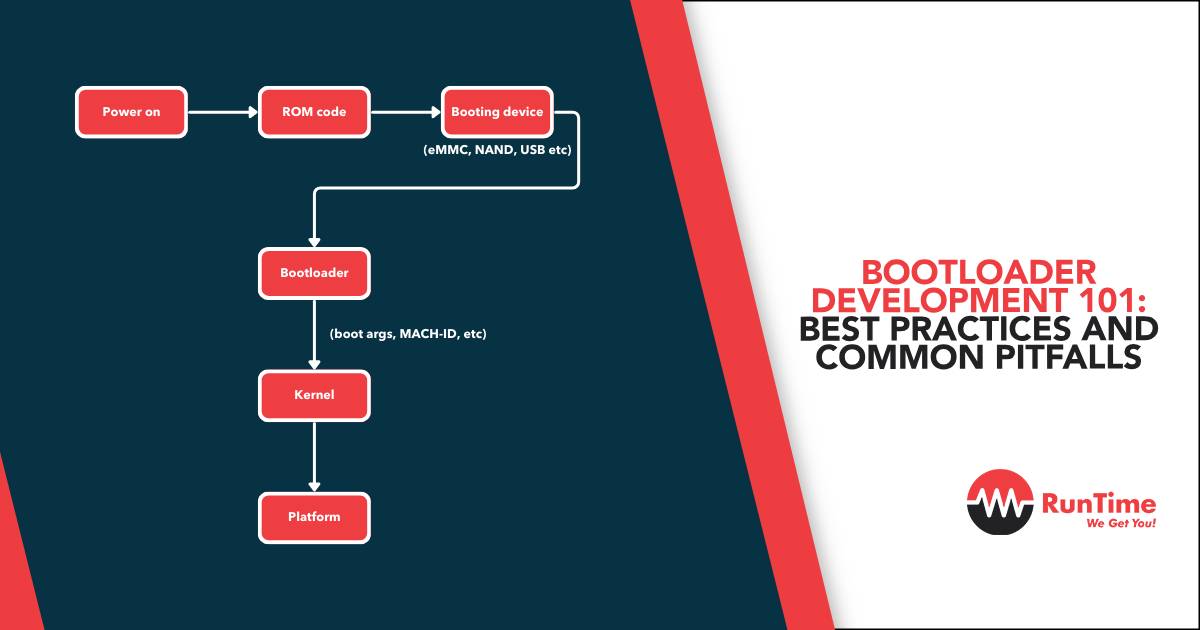
In the realm of embedded systems, the bootloader is often an unsung hero. While it operates silently in the background, its functionality is critical for system initialization, firmware updates, and even device security. Designing a robust bootloader can be both challenging and rewarding, as it lays the foundation for reliable embedded system operation. This article [...]

Read More >>
Advanced Synthesis Techniques for Optimizing FPGA Performance
General13 January 2025

Advanced Synthesis Techniques for Optimizing FPGA Performance

Field-Programmable Gate Arrays (FPGAs) have become the go-to hardware platform for applications requiring high performance, low latency, and unparalleled flexibility. Whether you're designing for high-speed data processing, signal filtering, or AI inference at the edge, optimizing FPGA performance is critical to meeting your application's requirements. The synthesis process lies at the heart of FPGA design, [...]

Read More >>
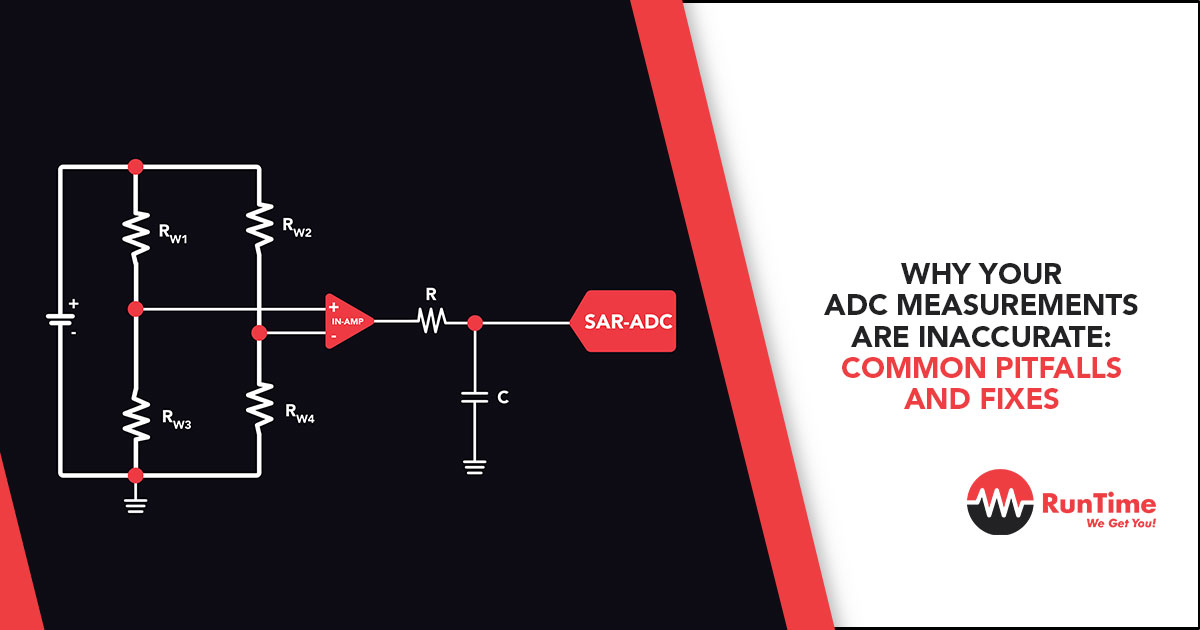
Why Your ADC Measurements Are Inaccurate: Common Pitfalls and Fixes
General10 January 2025

Why Your ADC Measurements Are Inaccurate: Common Pitfalls and Fixes

Analog-to-Digital Converters (ADCs) are a cornerstone of embedded systems, bridging the gap between the analog world and digital processing. From monitoring environmental sensors to processing audio signals, ADCs play a critical role in embedded applications. However, achieving accurate ADC measurements is not always straightforward. Engineers often encounter inaccuracies due to design flaws, noise, and improper [...]

Read More >>
How to Highlight Transferable Skills When Switching Engineering Roles
General9 January 2025

How to Highlight Transferable Skills When Switching Engineering Roles

Switching engineering roles can be an exciting yet challenging phase in your career. For embedded engineers, transitioning to a different engineering discipline—whether it's IoT systems, hardware design, or even software engineering—often requires you to highlight the skills and knowledge you’ve gained in your current field. The challenge lies in identifying which skills are transferable and [...]

Read More >>
Why Your Embedded System Fails Under Stress: Key Factors and Fixes
General9 January 2025

Why Your Embedded System Fails Under Stress: Key Factors and Fixes

Embedded systems are at the heart of modern technology, powering devices from IoT gadgets to critical medical and industrial equipment. These systems often operate under strict performance and reliability constraints. However, when subjected to stress—be it high computational loads, extreme environmental conditions, or prolonged operation—embedded systems can fail in ways that are often unpredictable and [...]

Read More >>
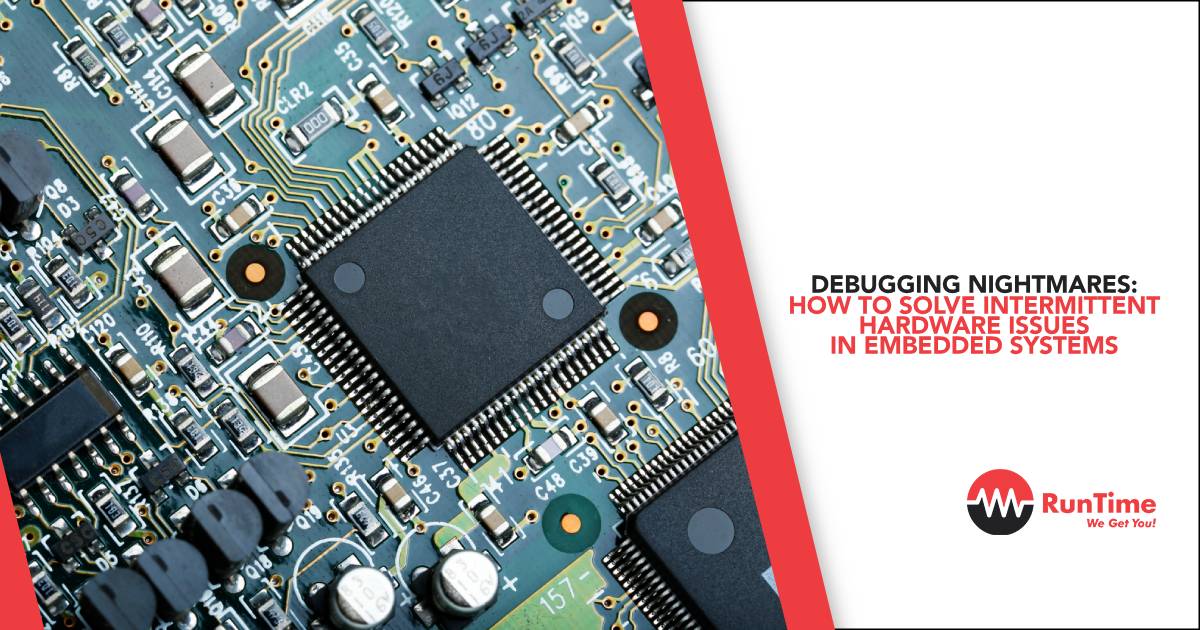
Debugging Nightmares: How to Solve Intermittent Hardware Issues in Embedded Systems
General18 December 2024

Debugging Nightmares: How to Solve Intermittent Hardware Issues in Embedded Systems

Intermittent hardware issues in embedded systems are among the most challenging problems engineers face. Unlike consistent bugs, which are easier to reproduce and fix, intermittent issues are unpredictable, fleeting, and often elusive. These “ghosts in the machine” can lead to product failures, delayed launches, and significant frustration for developers. This article explores strategies to identify, [...]

Read More >>
Accelerating AI and Machine Learning Algorithms with FPGAs
General17 December 2024

Accelerating AI and Machine Learning Algorithms with FPGAs

The rapid adoption of artificial intelligence (AI) and machine learning (ML) has created a demand for high-performance computing platforms that can process vast amounts of data quickly and efficiently. While GPUs and CPUs have traditionally been used to power AI applications, Field Programmable Gate Arrays (FPGAs) have emerged as a compelling alternative for accelerating AI [...]

Read More >>
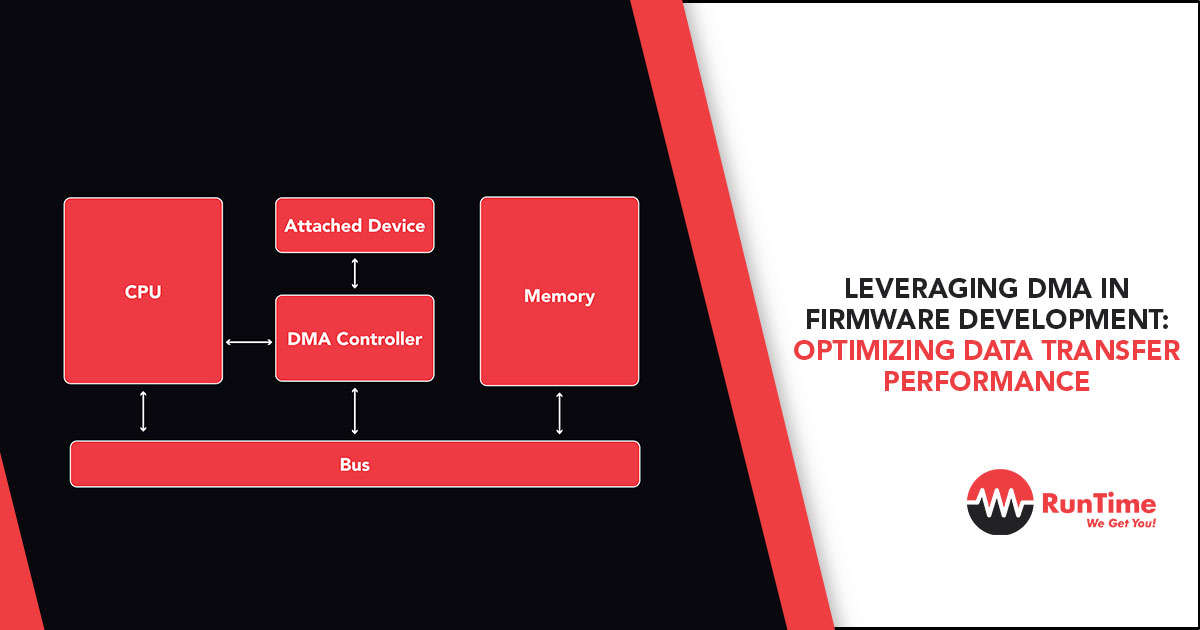
Leveraging DMA in Firmware Development: Optimizing Data Transfer Performance
General16 December 2024

Leveraging DMA in Firmware Development: Optimizing Data Transfer Performance

In embedded systems, efficient data transfer is critical to achieving high performance and responsiveness. Traditionally, data movement between peripherals and memory relies on the CPU, consuming valuable processing cycles and introducing bottlenecks. Direct Memory Access (DMA) is a game-changing feature in modern microcontrollers, enabling high-speed data transfer with minimal CPU involvement. This article explores the [...]

Read More >>
Debugging Embedded Systems Without an Oscilloscope: Creative Workarounds
General13 December 2024

Debugging Embedded Systems Without an Oscilloscope: Creative Workarounds

Debugging embedded systems is often synonymous with using an oscilloscope to measure signals, analyze waveforms, and diagnose issues. However, oscilloscopes aren’t always accessible due to budget constraints, portability issues, or unforeseen circumstances in the field. As embedded engineers, we often need to adapt and find creative workarounds to debug our systems effectively without relying on [...]

Read More >>
Networking Tips for Embedded Engineers: Building Connections in the Industry
General12 December 2024

Networking Tips for Embedded Engineers: Building Connections in the Industry

Networking is often overlooked by embedded engineers, who may focus more on hardware, firmware, and software than on personal connections. However, in an industry where innovation thrives on collaboration, building a strong professional network can be just as crucial as technical skills. Networking isn’t just about finding new job opportunities; it’s also a way to [...]

Read More >>
Dealing with EMI: Best Practices for Designing Noise-Free PCBs
General12 December 2024

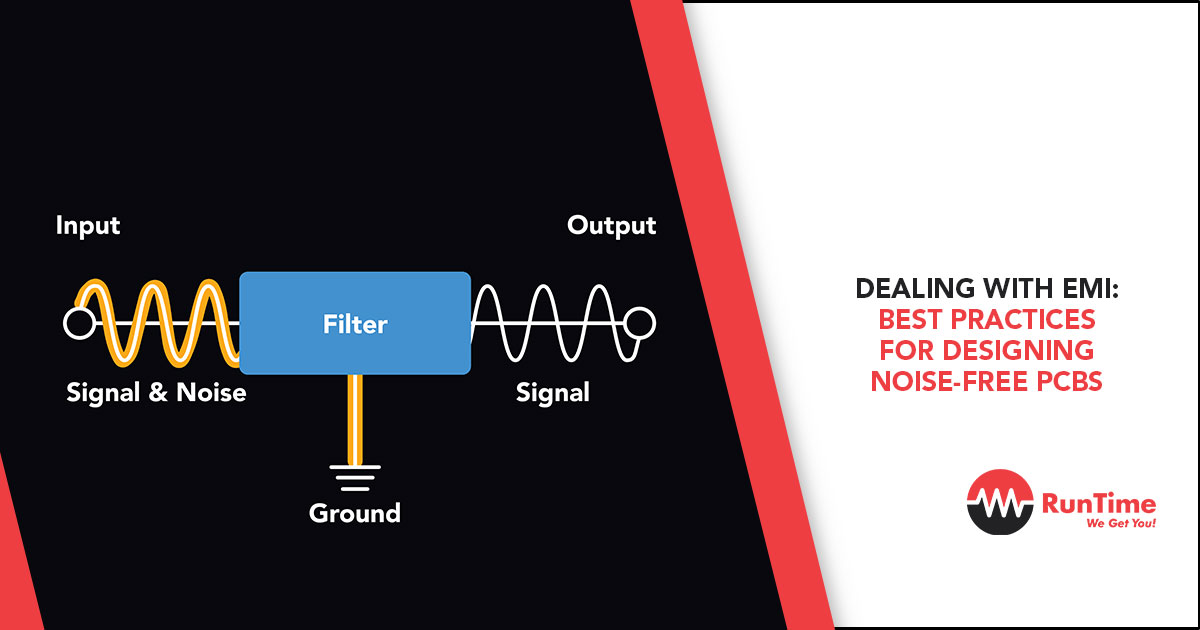
Dealing with EMI: Best Practices for Designing Noise-Free PCBs

Electromagnetic interference (EMI) is a critical challenge in embedded system design. Left unchecked, EMI can disrupt system functionality, degrade signal integrity, and cause compliance failures with regulatory standards such as FCC and CE. For embedded engineers, designing printed circuit boards (PCBs) with EMI mitigation in mind is essential for creating reliable, robust, and market-ready products. [...]

Read More >>
Firmware Debugging Techniques: Using JTAG and Serial Interfaces
General11 December 2024

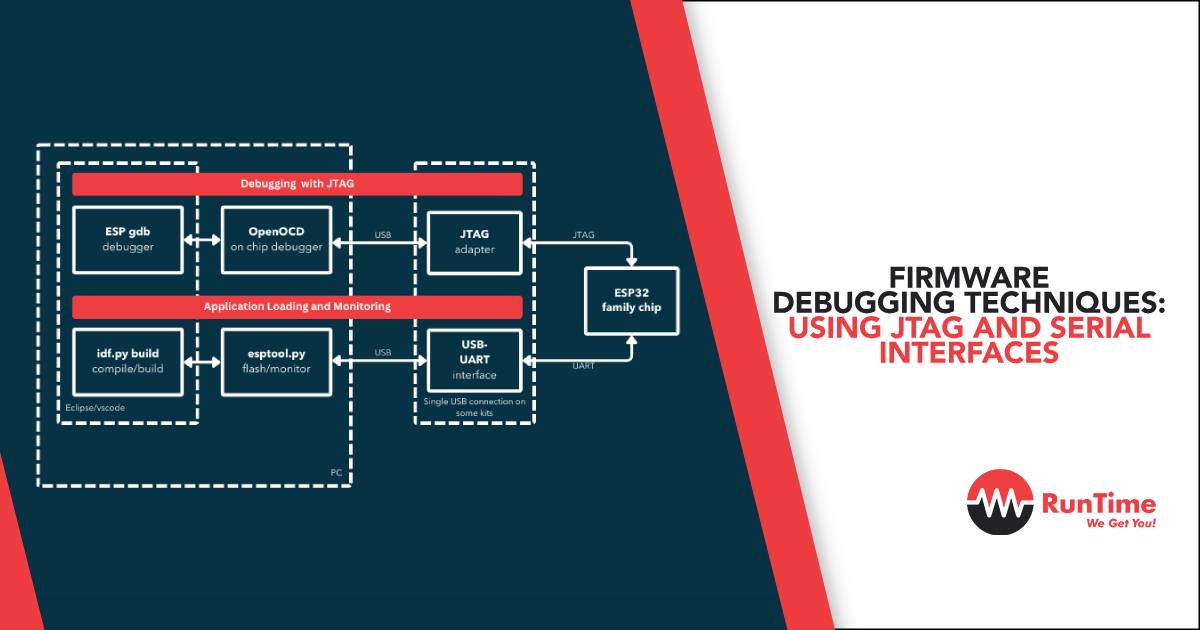
Firmware Debugging Techniques: Using JTAG and Serial Interfaces

Debugging is a critical aspect of firmware development for embedded systems. Whether you’re developing firmware for microcontrollers, FPGAs, or application-specific devices, the ability to locate and resolve bugs efficiently can mean the difference between a successful project and a delayed product launch. Among the myriad debugging tools and techniques available, JTAG (Joint Test Action Group) [...]

Read More >>
Low-Power Wireless Communication: Choosing Between BLE, ZigBee, and LoRa
General10 December 2024

Low-Power Wireless Communication: Choosing Between BLE, ZigBee, and LoRa

Low-power wireless communication is a cornerstone of modern embedded systems, particularly for applications like IoT devices, industrial automation, and smart cities. As engineers design systems that demand long battery life, wide-area coverage, and reliable communication, choosing the right wireless protocol becomes a critical decision. Among the most prominent low-power options are Bluetooth Low Energy (BLE), [...]

Read More >>
How to Reduce Time-to-Market Without Sacrificing Quality in Embedded Projects
General6 December 2024

How to Reduce Time-to-Market Without Sacrificing Quality in Embedded Projects

In the fast-paced world of embedded systems, reducing the time-to-market for new products is crucial for staying competitive. However, accelerating development processes without compromising quality is a significant challenge. Embedded engineers often grapple with the dual pressures of rapid delivery and maintaining high standards of performance, reliability, and user experience. This comprehensive guide explores strategies [...]

Read More >>
Bringing AI to the Edge with FPGA Accelerators
General5 December 2024

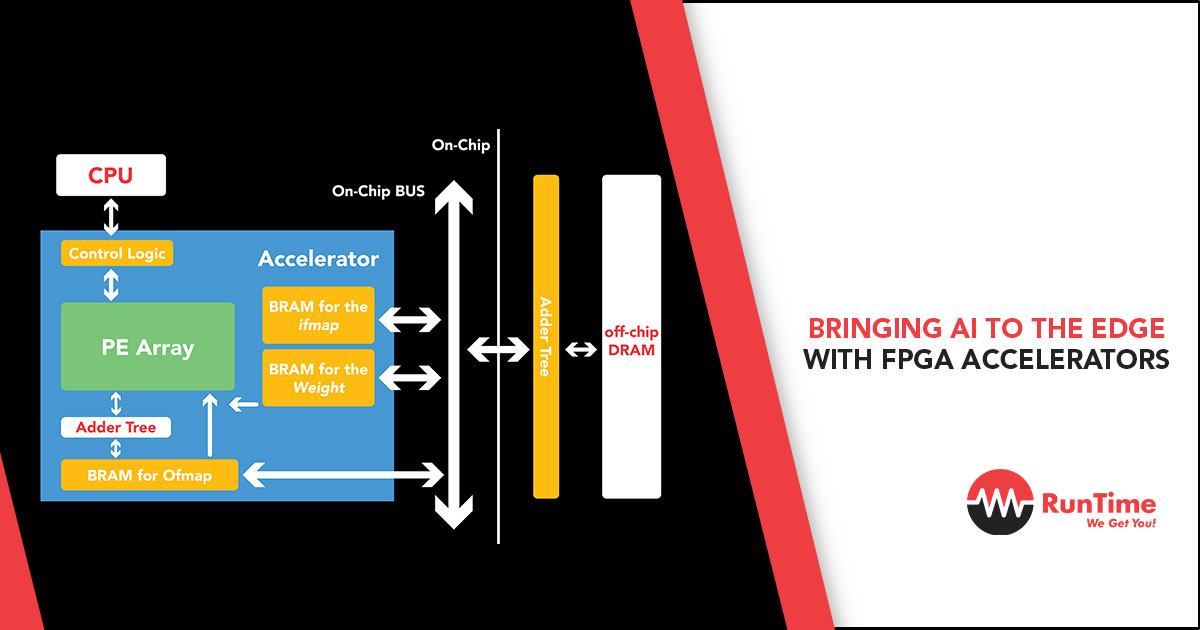
Bringing AI to the Edge with FPGA Accelerators

The demand for artificial intelligence (AI) at the edge is growing exponentially, driven by applications such as autonomous vehicles, industrial automation, and IoT devices. As edge devices require faster processing, lower latency, and energy efficiency, Field Programmable Gate Arrays (FPGAs) have emerged as a compelling choice for accelerating AI workloads. With their reconfigurable hardware and [...]

Read More >>
Addressing Latency and Jitter in Time-Critical Firmware Applications
General4 December 2024

Addressing Latency and Jitter in Time-Critical Firmware Applications

Latency and jitter are critical performance metrics in embedded firmware applications, especially those that demand precise timing, such as real-time control systems, industrial automation, audio processing, and communication protocols. For embedded engineers, minimizing latency and jitter is essential to ensuring reliability, functionality, and user satisfaction. This article explores the concepts of latency and jitter, their [...]

Read More >>
The Role of Certifications in Enhancing Your Job Prospects as an Embedded Engineer
General3 December 2024

The Role of Certifications in Enhancing Your Job Prospects as an Embedded Engineer

In the highly competitive field of embedded engineering, technical expertise, practical experience, and innovative thinking are critical to success. But with an ever-evolving industry, staying ahead requires more than just a solid foundation in hardware and software—it also involves showcasing your dedication to continuous learning and professional growth. Certifications can play a pivotal role in [...]

Read More >>
Transitioning from 8-Bit to 32-Bit MCUs: Challenges and Strategies
General2 December 2024

Transitioning from 8-Bit to 32-Bit MCUs: Challenges and Strategies

For decades, 8-bit microcontrollers (MCUs) have been the workhorses of embedded systems, powering countless devices from simple home appliances to industrial machines. However, as embedded systems grow more complex and demand higher performance, the transition from 8-bit to 32-bit MCUs has become a critical step for engineers. While 8-bit MCUs remain relevant for certain applications, [...]

Read More >>
Designing with FPGAs: When to Choose Programmable Logic Over Microcontrollers
General29 November 2024

Designing with FPGAs: When to Choose Programmable Logic Over Microcontrollers

In the vast and intricate landscape of electronics design, selecting the appropriate technology for a project's requirements is paramount. Among the plethora of choices, Field-Programmable Gate Arrays (FPGAs) and microcontrollers stand out as two of the most critical components in an embedded engineer's toolkit. This article delves into when and why to choose FPGAs over [...]

Read More >>